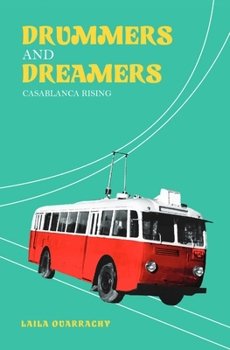
As a drummer with a long-standing fascination with Moroccan rhythms and years spent mastering the darbukah, I was initially drawn to this novel simply by its title. What I found inside was immensely rewarding.
Ouarrachy’s ability to render music on the page is nothing short of extraordinary. The vivid descriptions of Moroccan folk music and percussive rhythm are woven into the plot narrative. As someone who has studied these instruments, I was struck by the incredible fidelity of her acoustic world-building. With the accuracy and depth of an ethnomusicologist, Ouarrachy paints an authentic soundscape that reverberates through the private homes, quiet courtyards, and lively cafes of 1960s Morocco.
For me, the reading experience was deeply personal. It has been ten years since I visited Casablanca and its neighboring communities during Ramadan, yet Ouarrachy’s sensory prose instantly transported me back. The heat, the sound of rhythmic hand drums echoing down narrow passageways, and the palpable spirit of the region came rushing back to life on every page.